(Image source from: Indiatoday.in)
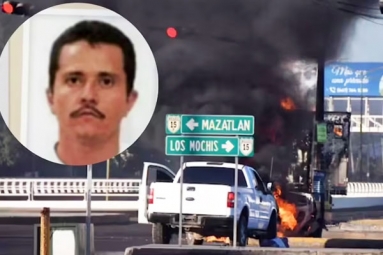
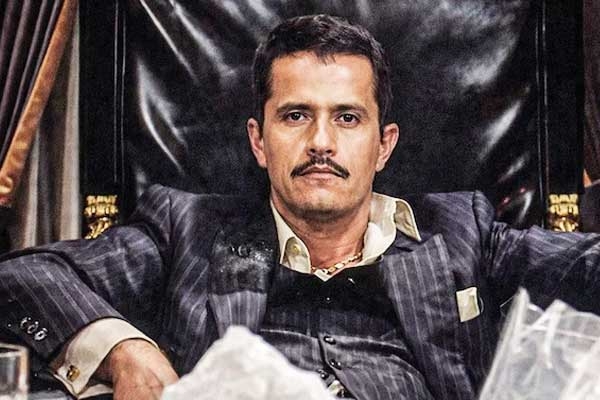
Nemesio Ruben Oseguera Cervantes, a well-known Mexican drug leader called 'El Mencho' and the head of the strong Jalisco New Generation Cartel (CJNG), was killed during a military operation in western Mexico on Sunday. He was captured during the raid but died from injuries he received in a shootout while being taken for medical care after the operation that included help from US intelligence. His death is considered one of the significant setbacks for organized crime in the country in recent times. El Mencho was one of the most feared and influential drug leaders in contemporary Mexico, rising from a poor rural background to head a global criminal organization known for extreme violence. He had previously been a police officer before shifting to organized crime, and his death concluded years of hunting by both Mexican and US law enforcement. At the time he died, the United States had a USD 15 million reward for him, making him one of the most sought-after criminals in the world.
El Mencho started and led the Jalisco New Generation Cartel (CJNG), a group that became one of the most powerful and militarized criminal organizations in the world within just ten years. Under his leadership, the cartel established an extensive network to traffic methamphetamine, cocaine, heroin, and fentanyl across the globe, especially into the United States, where officials blamed the group for significantly worsening the opioid overdose epidemic. The cartel expanded its activities to include fuel theft, extortion, kidnapping, forced labor, and money laundering, transforming into a complex criminal business rather than just a traditional drug trafficking organization. Born in 1966 in Michoacan, Mexico, a place known for drug cultivation, Oseguera worked in farms as a child before illegally migrating to the United States in the 1980s. While in California, he got involved in the heroin market, was eventually arrested, spent time in prison, and was sent back to Mexico.
Upon his return, he briefly worked in local law enforcement, gaining connections and knowledge that would later help his criminal endeavors. He then moved into organized crime through the Milenio Cartel, which was associated with the powerful Sinaloa Cartel, where he climbed the ranks before establishing his own cartel. After the Milenio Cartel broke apart, El Mencho united loyal factions and declared war on rival gangs, including previous partners in the Sinaloa Cartel, to create CJNG between 2009 and 2011. This represented another crucial moment in Mexico’s crime landscape. His approach to leadership combined businesslike effectiveness with brutal violence. The CJNG utilized military-style tactics rarely seen in organized crime, using armored vehicles, heavy weapons, rocket launchers, and uniformed armed men. The cartel often shared propaganda videos featuring groups of fighters to show off their strength and frighten their foes.
Authorities have associated CJNG with mass murders, decapitations, and the killing of law enforcement officers over the years, highlighting El Mencho's image of extreme violence as a key part of his narrative. A particularly notable event took place in 2015, when cartel shooters targeted a Mexican military helicopter with a rocket-propelled grenade during a mission to apprehend him. In that same year, within a span of six weeks, CJNG took the lives of 24 police officers in western Mexico as a threat to the government. In 2020, the cartel was also implicated in a bold assassination attempt on Omar Garcia Harfuch, the police chief of Mexico City, who survived with serious injuries, though two of his bodyguards died. Despite this wave of violence, El Mencho kept a relatively discreet public presence compared to other cartel heads. He seldom made public appearances and chose to communicate through intermediaries or intimidating audio recordings released online.
His ability to avoid capture for many years increased his mystique and status among criminal circles. Authorities suspected he depended on safe houses in rural areas, loyal bodyguards who were often ex-military, and corrupt officials to stay one step ahead of law enforcement efforts. El Mencho's influence was also bolstered by his political connections and community outreach. His cartel faced allegations of bribing government officials and financing political campaigns, especially in Jalisco. Analysts pointed out that CJNG was one of the largest supporters of politicians and their campaigns, giving it a strong social foundation. At the same time, the organization aimed to gain acceptance among local communities. During the Covid pandemic, cartel members handed out food packages marked with CJNG logos to needy neighborhoods, fostering loyalty in areas where government aid was sparse. Experts indicated that this mix of violence and community assistance echoed tactics used by militant groups vying for territorial dominance.
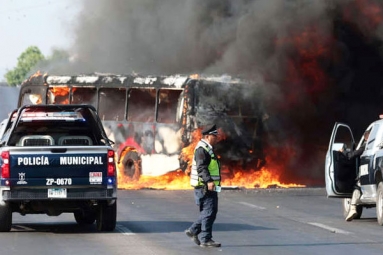
Family connections were crucial in El Mencho's operations. His wife, Rosalinda Gonzalez Valencia, was tied to the cartel’s financial dealings, while relatives of the Gonzlez Valencia family, also called Los Cuinis, contributed to managing money laundering activities. His son, Rubn Oseguera, popularly known as “El Menchito,” received a life sentence in the United States in 2025 for drug and weapon-related crimes, highlighting the international scope of the cartel's operations. Mexican officials stated that El Mencho was killed during a military operation after a shootout with security forces. His death led to an immediate backlash from the cartel, which included establishing roadblocks, setting vehicles on fire, and engaging in armed encounters across multiple states, showing his essential role in the leadership of CJNG. Security specialists caution that his death, while being a significant symbolic achievement for authorities, may ignite internal conflicts within the cartel and could lead to an increase in violence as different factions vie for power.