
(Image source from: Cnbctv18.com)
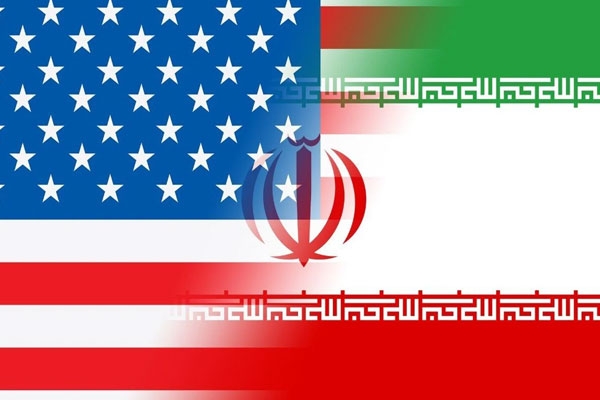
Ceasefire attempts involving the US and Iran in Pakistan are facing challenges. A significant level of mistrust exists between the US and Iran, overshadowing any potential ceasefire discussions in Pakistan before they even start. Even after being on the ground for five hours, the US group, headed by Vice President JD Vance and Jared Kushner, has yet to engage in direct discussions with Iran. Iranian Foreign Minister Abbas Araghchi mentioned in a dialogue with his German counterpart that Tehran is entering negotiations without any trust, which makes the goal of stopping the six-week conflict even harder. Currently, there is a three-way meeting taking place with Pakistan, the host country, as direct talks between the two opposing sides have not occurred. Prior to these trilateral talks, Iran stated it would only consider discussions with the US and Pakistan after fulfilling certain conditions, as reported by Al Jazeera.
What exactly are those conditions? Presently, Pakistan's Prime Minister Shehbaz Sharif has already had a meeting with US Vice President JD Vance. If the information is correct, Pakistani officials are having direct conversations with US representatives, while also talking separately with Iranian representatives, which include Tehran’s Parliament Speaker Mohammad Bagher Ghalibaf and Araghchi. These conditions involve halting Israeli attacks on Lebanon and initiating a ceasefire there. According to Iran’s Press TV, the Iranian team is in contact with Hezbollah to decide what to do regarding discussions with the US. However, despite the delays in US-Iran ceasefire discussions, attacks in southern Lebanon continued, resulting in at least 10 fatalities due to Israeli airstrikes. Another crucial condition that was communicated to the US representatives through Sharif is the release of Iranian funds that are currently held in Qatar and other international banks, according to Iranian media. Other strict demands from Iran include items from its ceasefire proposal, such as matters concerning the Strait of Hormuz, compensation for war damages, and a ceasefire throughout the Middle East, as reported by an Iranian state TV reporter.
In the midst of all this, the White House has taken a firm position, stating that Donald Trump’s stance has not changed and that he will not yield on Tehran’s conditions, including the issue of freeing its international assets. While the three parties work through the tricky details of diplomacy, a major problem is the large lack of trust between the US and Pakistan. This issue has become more complicated due to the statement from the US president that if talks do not succeed, he will boost the naval forces and tackle the problem using military action. Under these circumstances, teams in Islamabad are wrapping up the details of the talks. An important demand from Iran is to stop the fighting in Lebanon, where Israel is still launching attacks. Another crucial topic is the release of Iranian money that has been frozen since 1979. There are reports that the US might think about allowing some of these billions of dollars to be unblocked. It is also important to note the involvement of the US Vice President in the discussions. JD Vance is seen as a fairly neutral person who has been against foreign military actions for a while. Vance did not have a major role during the first US attacks on Iran, which helps him appear as a more impartial player in the ongoing talks. These updates come as teams in Islamabad navigate intricate diplomatic paths, trying to resolve the issues raised by everyone involved.