(Image source from: Canva.com)
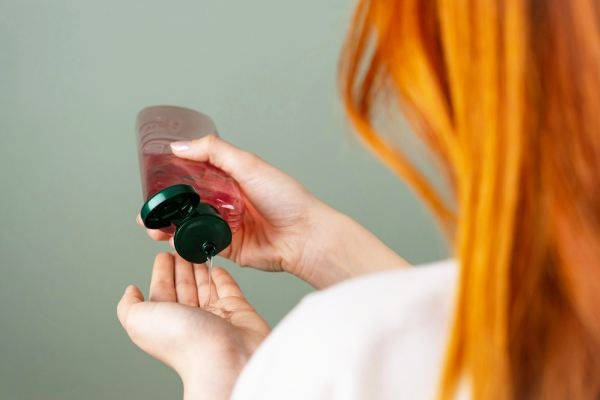
Even though there are now many local brands providing hair care products made for various hair types, proudly advertising that they don’t have sulphates, a lot of us still choose shampoos from big, well-known companies. These familiar products are easy to find and give us quick satisfaction with their thick lather and lots of bubbles, making our hair washing feel complete and enjoyable. Over time, we have learned to believe that more bubbles mean cleaner hair. However, we often miss the fact that this foam usually comes from sulphates, which are strong cleansers that can remove the natural oils from our scalp, leading to dryness and potential damage to our hair in the long run.
Even with this knowledge, the comforting feeling and routines tied to popular shampoos still seem more appealing than the promise of kinder, gentler options. But now it’s 2026, and we should finally let go of shampoos that are high in sulphates.
Sulphates are powerful cleaners that eliminate dirt, oil, sweat, and product buildup on the scalp. They create lots of bubbles, which gives the feeling of very clean hair after washing. This is why many shampoos include them: they clean fast and make hair smell nice right away. However, sulphates don’t distinguish between too much oil and the natural oil present. Because of this, they can remove the natural moisture from the scalp, leading to dry, frizzy hair that can break more easily over time. One reason why leaving sulphate shampoos behind can be tough is that your scalp gets used to them by making extra oil. When you stop using these shampoos, your scalp may continue to produce that extra oil for some time, making your hair feel greasy, flat, or heavy. With less lather and the lack of that squeaky clean feeling, it can seem like the shampoo isn’t doing its job even though it truly is.
When you stop using sulphates, your scalp slowly restores its oil balance, allowing your hair and skin to work the way they are supposed to. Natural oils spread more evenly along the hair, helping to keep moisture locked in, which improves softness, shine, and strength. The scalp often feels more comfortable, with less dryness, itching, and flaking. At first, your hair might feel different, but this stage won’t last long as the scalp learns how to adjust. Over time, the outer layer of the hair stays smoother, color fades more gradually, frizz decreases, curls become easier to manage, and breakage goes down, especially in textured or chemically treated hair, resulting in visibly healthier hair overall.
The hair retains moisture more effectively, making it softer, shinier, and more flexible. Issues with the scalp, such as dryness, soreness, and itchiness, usually improve over time. Caring for the hair becomes easier, and it is less prone to breakage. Although changes take time, regularly using shampoos without sulphates promotes healthy hair, making them a wiser choice for the future. The simplest way to stop using sulphate shampoos is to do it slowly. For the first few weeks, switch between your usual shampoo and a sulphate-free option to help your scalp adjust. During this change, your hair might feel greasy, heavy, or different; this is normal as your scalp readjusts its oil production. Try not to wash your hair too often and give your scalp time to reset. Make sure to apply shampoo correctly: gently massage the scalp, let the shampoo sit for a moment, and rinse it out well. Most scalps get used to this new routine within two to four weeks, producing less oil and responding better to milder cleaning methods.
If you notice buildup, use a clarifying shampoo every few weeks instead of going back to daily sulphate shampoos. The transition isn't hard, but it requires patience, and once you get through this adjustment phase, the results tend to be very rewarding. When selecting a shampoo, Dr Rachumallu advises looking beyond just the "sulphate-free" label. Instead, look for gentle surfactants and avoid thick waxes and silicones, particularly if your hair is fine. The choice should be based on your scalp type rather than just your hair type; dry scalps benefit from moisturizing and calming ingredients, while oily scalps require gentle but effective cleansers. In the end, personal experience is more important than current trends.
For hair that is dry or damaged, shampoos that contain oils, ceramides, or shea butter can help with repair, while oily scalps usually respond better to light, gel-based formulas that feature ingredients like tea tree oil or niacinamide. Steering clear of heavy silicones in the beginning allows the scalp to adjust more smoothly. Ultimately, knowing how to read ingredient labels is key to ensuring the hair is cleaned without losing its natural oils.