
(Image source from: Ndtv.com)
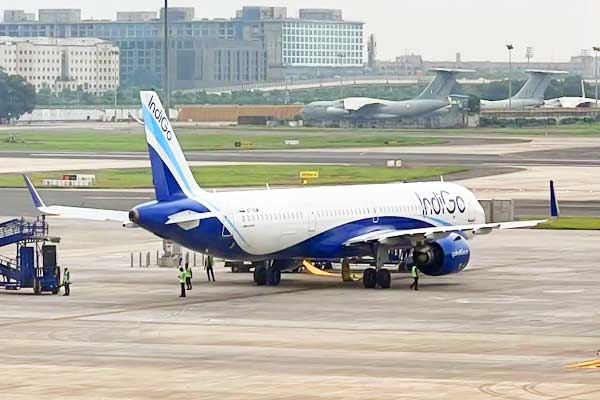
India's biggest airline, IndiGo, is facing one of its worst operational problems in recent times, with over 200 flights cancelled and many more delayed at major airports on Tuesday and Wednesday. This situation left thousands of travellers stuck, caused long lines at airport terminals, and raised concerns about the reasons behind the sudden schedule failures. The main factors include a lack of crew members, new duty-time regulations, technical issues at important airports, and heavy traffic during the busy winter season. Here are the explanations:
Severe Crew Shortage: IndiGo is dealing with a shortage of pilots and cabin crew due to new, stricter duty-time laws that took effect on November 1. These rules significantly decreased the number of flying hours for pilots and increased the required rest time. Many IndiGo flights could not take off because there were no legally permitted crew members available to operate them. Various aviation experts mentioned that the airline had to cancel entire flight schedules because the pilots scheduled earlier could not meet the new flying limits.
New Roster Regulations: The latest Flight Duty Time Limitations (FDTL) in India aim to lessen fatigue and enhance safety. IndiGo, which has one of the largest networks in Asia with more than 2,200 flights daily and many night operations, found it hard to adjust its schedules quickly. The new rules needed major changes to duty timetables, plans for landing at night, and weekly rest schedules. Sources within the company stated that the scheduling systems were not yet stable, and the new rules led to immediate crew shortages on busy routes.
Technical Issues At Major Airports: On Tuesday, airports such as Delhi and Pune experienced failures in their check-in and departure systems, causing long waits and delayed departures for many IndiGo flights. The delays piled up quickly throughout the day, disrupting the closely linked movements of aircraft and crew.
Airport Crowding and Winter Traffic: High numbers of passengers, stress on operations due to winter fog, and peak-hour congestion at key metro airports further hampered IndiGo’s ability to make up for lost time. With such a packed schedule, even small delays had a big impact across its network. IndiGo’s website mentions that the airline conducts "well over 2,200 daily flights." Data from the government on Tuesday revealed that its punctuality plummeted to only 35 percent, meaning more than 1,400 flights were delayed in one day.
In November, a total of 1,232 flights were cancelled, according to the Directorate General of Civil Aviation (DGCA).
India's civil aviation authority implemented stricter FDTL rules to enhance safety by lowering crew fatigue. The updates include:
Increased Weekly Rest Requirements: Pilots are now required to have longer rest times each week. This limits the number of consecutive shifts they can legally work and impacts flight scheduling.
Limits On Night Landings: The amount of night landings a pilot can do has dropped from six to two within a set time frame. Airlines that depend heavily on night flights have been greatly affected.
Fewer Working Hours: The regulations set stricter restrictions on how long pilots can work without a break, meaning that more pilots have to share the same flight schedules.
The DGCA limits flight times to:
8 hours each day
35 hours each week
125 hours each month
1,000 hours each year
Crew members also need to have rest breaks that are at least double the time of their flying duties, ensuring they get at least 10 hours of rest within any 24-hour period. These guidelines enhance safety but force airlines, especially those that operate on quick turnarounds, to hire additional pilots for each aircraft. IndiGo's extensive overnight operation was especially affected by this adjustment.