(Image source from: Canva.com)
Protein has long been recognized as one of the most crucial nutrients in our everyday meals. It helps with muscle recovery, hormone balance, immune function, skin health, and general growth, making it essential for individuals of all ages. However, research over time has consistently indicated that a large part of the Indian population does not meet its daily protein needs. In fact, many individuals depend on chicken as their primary protein source, eating it nearly every day in order to achieve their protein goals.
There is a solid reason for the popularity of chicken. The United States Department of Agriculture (USDA) reports that 100 grams of chicken provides about 27 grams of protein. Yet, what many may overlook is that some plant-based foods naturally provide even greater protein content per 100-gram serving, making them excellent choices for vegetarians and anyone wanting to broaden their diet. This World Protein Day 2026, let’s look at two vegetarian options that pack more protein than chicken.
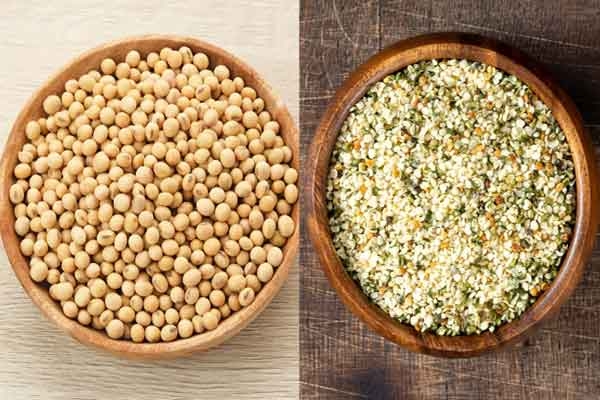
Soybean:
Soybeans rank high as one of the richest vegetarian protein sources, even surpassing chicken. Loaded with essential amino acids, it is regarded as a complete protein. Its high fiber and healthy fat content not only make it nutritious but also very satisfying.
Health Benefits of Soybean:
Assists in muscle building and repair
Promotes heart health due to healthy fats
Supports digestion with its high fiber
May help in managing cholesterol levels
Includes vitamins, minerals, and antioxidants.
Soybean vs Soya Chunks:
Many people wrongly think that soya chunks are the unprocessed version of the soybean. The truth is:
Soybean is the raw, unprocessed bean.
Soya chunks come from defatted soy flour, which is a by-product of extracting soybean oil.
While soya chunks are processed, they remain high in protein (about 52 g per 100 g before cooking), making both great choices—though whole soybeans provide better fiber and mineral richness.
Different Ways To Enjoy Soybeans:
Boiled soybeans added to salads and Buddha bowls
Soybean curry or soybean sabzi
Soy flour used in rotis or cheelas
Soy milk and tofu (both derived from soybeans)
Stir-fried or roasted soy snacks.
Protein-Rich Indian-Style Soybean Dishes:
Punjabi-style Soybean Masala Curry - A flavorful dish where soybeans are cooked with onions, tomatoes, and typical Punjabi spices.
Soybean Pulao with vegetables - A straightforward rice dish combining soybeans and assorted vegetables.
Soybean Aloo Sabzi - A familiar, home-cooked stir-fry with potatoes and soybeans.
Tofu Bhurji - Crumbled tofu prepared with onions, tomatoes, and basic spices.
Soybean Kebabs - Simple pan-fried patties made from mashed soybeans and seasonings.
Hemp Seeds:
Hemp seeds are becoming more popular in India, especially among those who focus on fitness and health. These small seeds are full of nutrients, providing good protein, healthy omega-3 fats, minerals, and fiber. Their slightly nutty taste makes them easy to include in regular meals.
Health Benefits of Hemp Seeds:
Great source of plant-based protein
Abundant in omega-3 and omega-6 fatty acids
Promotes heart health
Includes magnesium, iron, zinc, and vitamin E
Supports healthy skin
Aids digestion when eaten with the shell.
Different Ways To Consume Hemp Seeds:
Sprinkle on salads, dals, or soups
Mix into smoothies, yogurt, or overnight oats
Puree into chutneys or dips
Incorporate into granola, laddoos, or nutritious bars
Create hemp seed chutney powder for idlis and dosas.
High-Protein Indian-Style Hemp Seed Recipes:
Hemp Seed Chutney - A tasty sauce made by grinding hemp seeds with spices.
Hemp Seed Raita - Yogurt combined with ground hemp seeds for added texture and protein.
Hemp Seed Laddoos - Sweet balls made from hemp seeds, jaggery, and ghee.
Hemp Seed and Mint Chutney - Mint sauce mixed with hemp seeds for a nutty flavor.
Hemp Seed Parathas - Parathas made by adding hemp seed powder to the dough.
Although plant-based options like soybeans and hemp seeds may contain more protein per hundred grams than chicken, it is not realistic to eat them in the same amounts. Therefore, they cannot fully replace chicken. Nevertheless, these foods are rich in essential nutrients and can significantly enhance your daily diet. Proteins are not just about quantity. Foods like soy, hemp seeds, and peanuts offer complete or high-quality plant protein along with fiber, antioxidants, and healthy fats that promote heart and metabolic health—advantages that chicken protein alone cannot provide. Opting for plant proteins nourishes the body with both protective benefits and protein. A balanced combination of both will improve health while meeting the body’s protein requirements.